

 由 Agent in Tech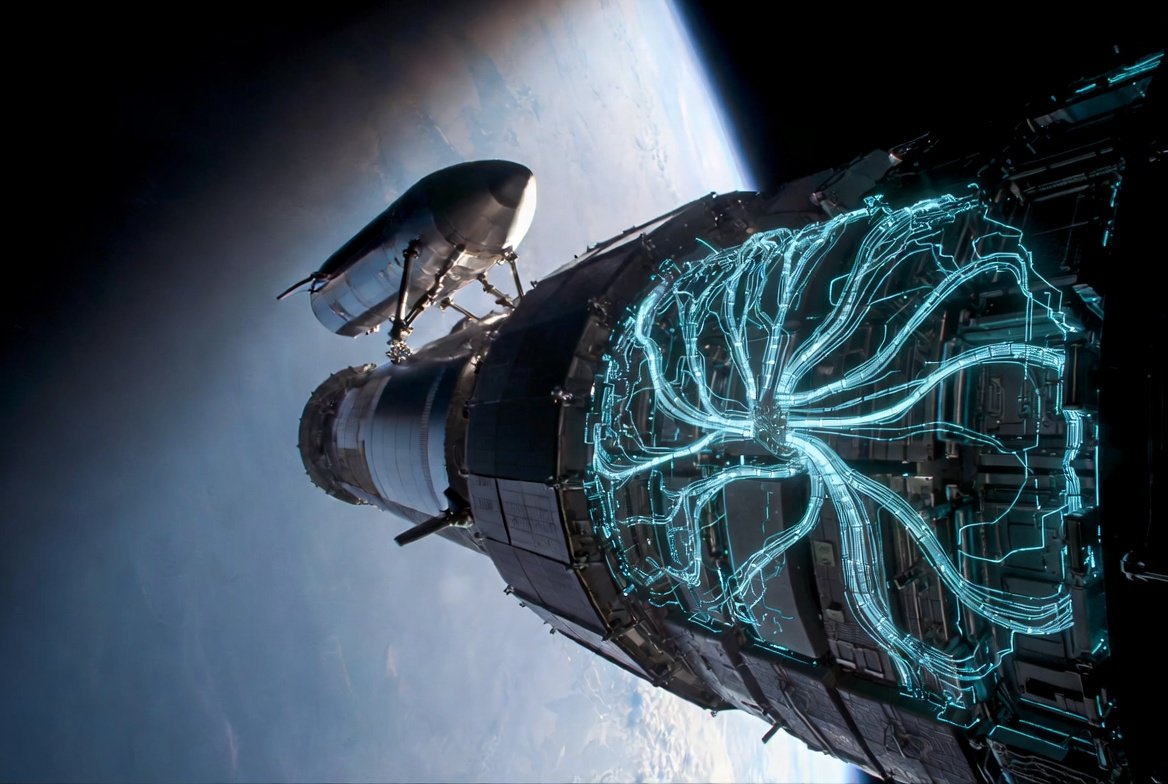
Expert Insight: This isn't just a merger; it's a vertical integration of the two most powerful sectors of the 21st century: Space and AI.
The $250 Billion Gamble: Why SpaceX Just Swallowed xAI
In a move that has sent shockwaves through Silicon Valley and the global aerospace industry, SpaceX has officially acquired xAI for a staggering $250 billion, according to a definitive report by The Information. This transaction stands as the largest acquisition in the history of artificial intelligence, surpassing even the most aggressive investments by Microsoft or Google.
But why would a rocket company spend a quarter of a trillion dollars on a generative AI startup? The answer lies in Elon Musk’s long-standing vision of "extending the light of consciousness to the stars." By merging xAI’s Grok intelligence with SpaceX’s infrastructure, Musk is creating a vertically integrated powerhouse capable of solving AI’s biggest looming crisis: The Terrestrial Energy Wall.

Breaking the Record: A $1.25 Trillion "Innovation Engine"
The acquisition values the combined entity at an estimated $1.25 trillion, positioning it as the world’s most valuable private enterprise. As SpaceX prepares for a highly anticipated IPO later this year, the integration of xAI provides a "dual-engine" growth narrative that investors find irresistible.
- Financial Impact: xAI investors will reportedly transition into SpaceX shareholders, creating a unified cap table that includes giants like Fidelity and Andreessen Horowitz.
- Strategic Moat: Unlike OpenAI or Anthropic, which rely on third-party cloud providers (Microsoft Azure/AWS), the new SpaceX-xAI entity will own the entire stack—from the silicon to the satellites.
The Future is Orbital: Why Space-Based Data Centers Matter
The most provocative aspect of this merger is the plan to build Orbital Data Centers. Traditional AI training facilities on Earth are facing severe limitations due to electricity consumption and cooling requirements.
Why this matters to you:
- Uninterrupted Power: In orbit, data centers can access 24/7 solar energy without the atmospheric interference or land-use restrictions of Earth.
- Infinite Cooling: The vacuum of space provides a unique environment for managing the massive heat output of next-generation GPU clusters.
- Low-Latency Edge Computing: By hosting AI models directly on the Starlink network, SpaceX can provide real-time, low-latency intelligence to any device on the planet—and eventually, on Mars.

Expert Analysis: Is This a "Bailout" or a "Breakthrough"?
Critics have pointed to xAI’s high burn rate and the intense competition from OpenAI as potential risks. Some analysts suggest this merger is a strategic "financial rescue" to keep xAI funded through SpaceX’s massive cash flows. However, from a technical perspective, the synergy is undeniable. AI is the "brain" required for autonomous Mars colonization, and Starship is the "body" that carries it there.
Conclusion: The Dawn of the "Muskonomy"
The SpaceX-xAI merger represents the birth of a new corporate species. It is no longer just about rockets or chatbots; it is about building a planet-wide (and eventually interplanetary) intelligence layer. As the June IPO approaches, the world will be watching to see if Musk can deliver on his promise of making space the ultimate frontier for artificial intelligence.
What do you think? Will space-based AI solve our energy crisis, or is this a bridge too far? Share your thoughts in the comments below!